
Personal Productivity for School Leaders
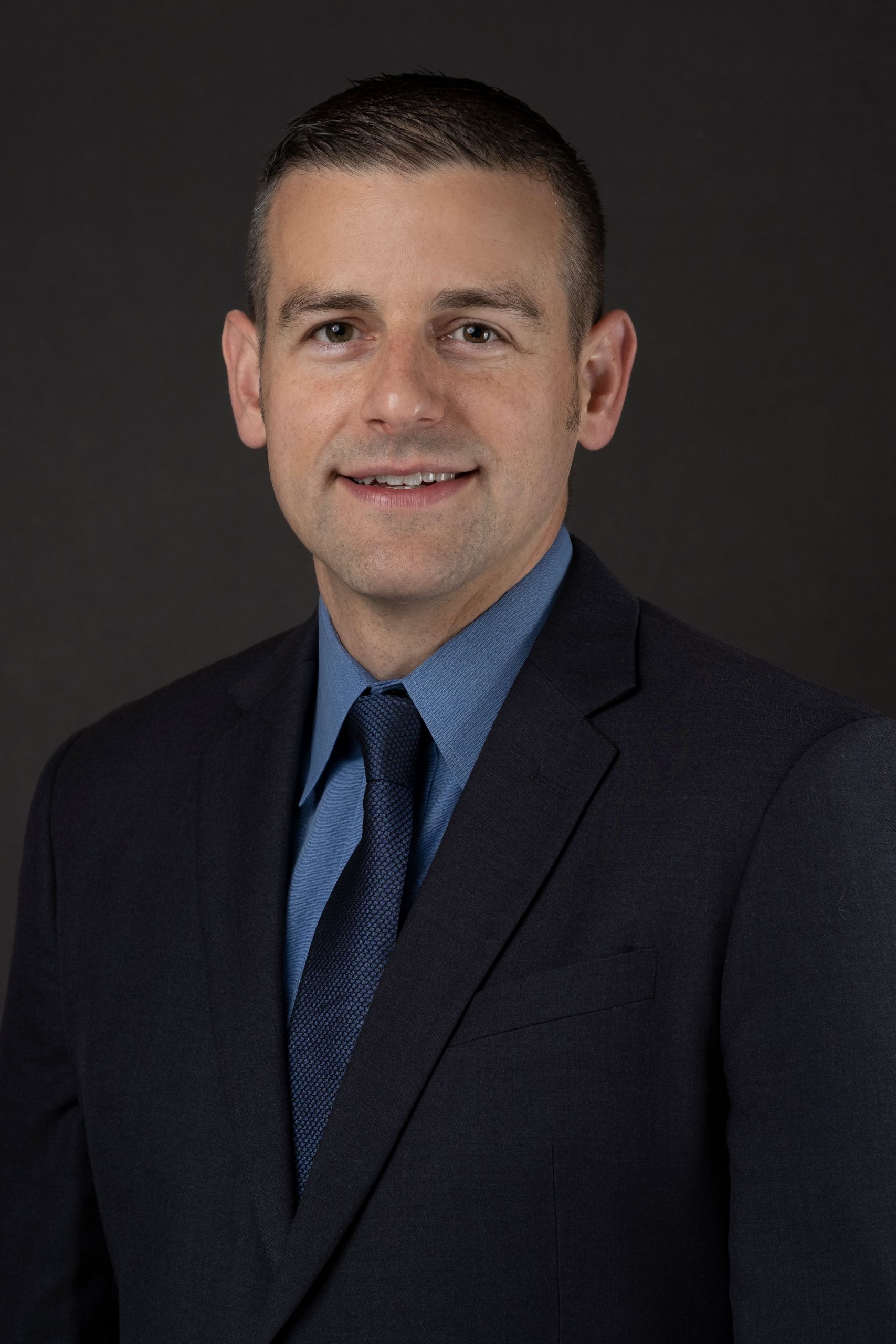
by Dr. Justin Baeder|Director, The Principal Center
I'm going to say something that might sound counterintuitive: managing your workload is not a distraction from instructional leadership. It's a prerequisite for it.
Every school leader I've worked with who struggles to get into classrooms has the same underlying problem. It's not that they don't value instructional leadership. It's that their systems for managing everything else are broken. Their inbox has 2,000 unread messages. Their desk is buried under papers that represent undone work. Their to-do list — if they have one — is a sprawling document that creates anxiety rather than clarity. And so they stay chained to their desk, managing the chaos, while the most important part of their job goes undone.
The solution isn't working harder. It's building systems that make the administrative load manageable so you can spend your time on what matters most.
I maintained inbox zero for over a thousand consecutive days. Not because I'm unusually disciplined, but because I built a system. Inbox zero doesn't mean you've done everything — it means you've decided about everything. Every message has been processed: handled, delegated, scheduled, or deleted. The inbox is empty not because the work is done, but because every item has been moved to the right place.
The same principle applies to your desk, your task list, and your calendar. Physical clutter occupies mental bandwidth. When your desk is covered in papers and sticky notes, part of your brain is constantly tracking all that unfinished work — and that background processing creates a low-level anxiety that makes it feel risky to leave your office. A clean desk doesn't mean you've finished everything. It means everything has a home.
Your task management system needs one trusted place where everything goes — every request, commitment, idea, and deadline. The specific tool matters less than the practice. And your ideal week needs a template that schedules your highest-energy periods for classroom visits and professional conversations, not email processing.
These aren't productivity tricks. They're the infrastructure that makes instructional leadership possible.
Frequently Asked Questions
Why do principals get so much email, and what can they do about it?
It's a structural problem, not a personal failing. There's one of you and an unlimited number of people who can send you a message. Each email takes seconds for the sender to write and often minutes or hours for you to address. That asymmetry means your inbox will always grow faster than you can empty it — unless you have a system.
The system has two parts. First, reduce the inflow: consolidate communication channels, set expectations about what should and shouldn't be emailed, and require requesters to do some preparatory work before sending you a task. Second, process efficiently: make a decision about every message — delete it, do it now if it's quick, delegate it, or defer it to a specific time. Processing is different from checking. Checking lets messages pile up. Processing makes a committed decision about each one.
What does "inbox zero" actually mean, and is it realistic for school leaders?
Inbox zero doesn't mean you've done everything — it means you've decided about everything. Every message in your inbox has been processed: you've either handled it, delegated it, scheduled it for later, or deleted it. The inbox is empty not because the work is done, but because every item has been moved to the right place.
Is it realistic? Yes — I maintained it for over a thousand consecutive days. But it requires treating your inbox as a processing queue, not a storage system. Email works poorly as a to-do list, calendar, and file cabinet, but that's how most people use it.
The payoff isn't just organizational satisfaction. When you know what's waiting for you and where everything stands, the anxiety that keeps you chained to your desk disappears. And that's what frees you to get into classrooms.
How does a clean desk help me get into classrooms?
Physical clutter occupies mental bandwidth. When your desk is covered in papers, folders, and sticky notes, part of your brain is constantly tracking all that unfinished work — even when you're not consciously thinking about it. That background processing creates a low-level anxiety that makes it feel risky to leave your office.
A clean desk doesn't mean you've finished everything. It means everything has a home — a filing system, a task list, a calendar entry, a folder. When you know that nothing will be lost or forgotten, walking out of your office to visit classrooms stops feeling like abandoning your responsibilities.
The systems don't have to be complicated. A simple tickler file for future items, a chronological archive for reference, and a reliable task management app cover the vast majority of what lands on a principal's desk.
What's the best way to manage tasks and to-do lists as a school leader?
You need one trusted place where everything goes — every request, commitment, idea, and deadline. If you're tracking some things in email, some in sticky notes, some in your head, and some on a legal pad, you're constantly anxious about what you might be forgetting. That anxiety is what keeps you tethered to your office.
The specific tool matters less than the practice. Use whatever app or system you'll actually maintain. The discipline is: capture everything in one inbox, process that inbox daily by deciding what to do with each item, organize what's left into short lists, and review regularly.
Keep your active lists short — under ten items. Research on decision-making shows that long lists create paralysis. When you have forty things to choose from, you end up doing whichever is easiest or loudest rather than what's most important. Short, filtered lists let you make rational decisions about your time.
How should a principal plan their ideal week?
Start by identifying the recurring commitments that structure your week — meetings, duty posts, arrival and dismissal — and block them on a template. Then schedule your classroom visit blocks around them, treating visits as non-negotiable appointments. Finally, fill remaining time with processing blocks for email, tasks, and administrative work.
The key insight is planning around mental energy, not just time. Your highest-energy periods should be reserved for classroom visits and professional conversations — the work that requires your best thinking. Email processing, paperwork, and routine decisions can happen during low-energy periods.
Your ideal week won't survive contact with reality — interruptions are guaranteed. But having a template means you know what you're deviating from, and you can get back to it. Without a template, every day is improvised, and the most important work consistently loses to whatever is loudest.
Featured Episodes — Principal Center Radio
| # | Guest | Episode |
|---|---|---|
| 729 | Rich Czyz | Autopilot |
| 741 | Steve Zonnevylle & David Armstrong | The Forty-Hour Principal |
| 397 | Nancy Flynn | The Principal's Backpack |
| 366 | Jamie Sears | How to Love Teaching Again |
| 778 | Mitch Weathers | Organized Binder |
| 773 | Bill Sterrett | Short On Time |
Related Articles
- 0 Emails: How to Empty Your Inbox Every Day
- How to Clear Your Desk and Keep It Clean: A Guide for Principals
- Should You Use a To-Do List?
- 4 Ways to Decide What Not to Delegate
- Do You Need a Workflow for That?
- The 48-Hour Email Brevity Challenge
- Why Educators Need a Hard Stop to the Work Day: Parkinson's Law
- Ending the "When Can You Meet?" Back-and-Forth with Self-Service Calendar Booking Tools
Related Books
- Now We're Talking! — Days 6-9 provide a complete system for time management and productivity, from scheduling classroom visits to processing email and managing tasks.
Go Deeper
Members of the Instructional Leadership Association get live weekly sessions, community support, and implementation tools for putting these ideas into practice. Learn more about ILA →