
Hard Conversations for School Leaders
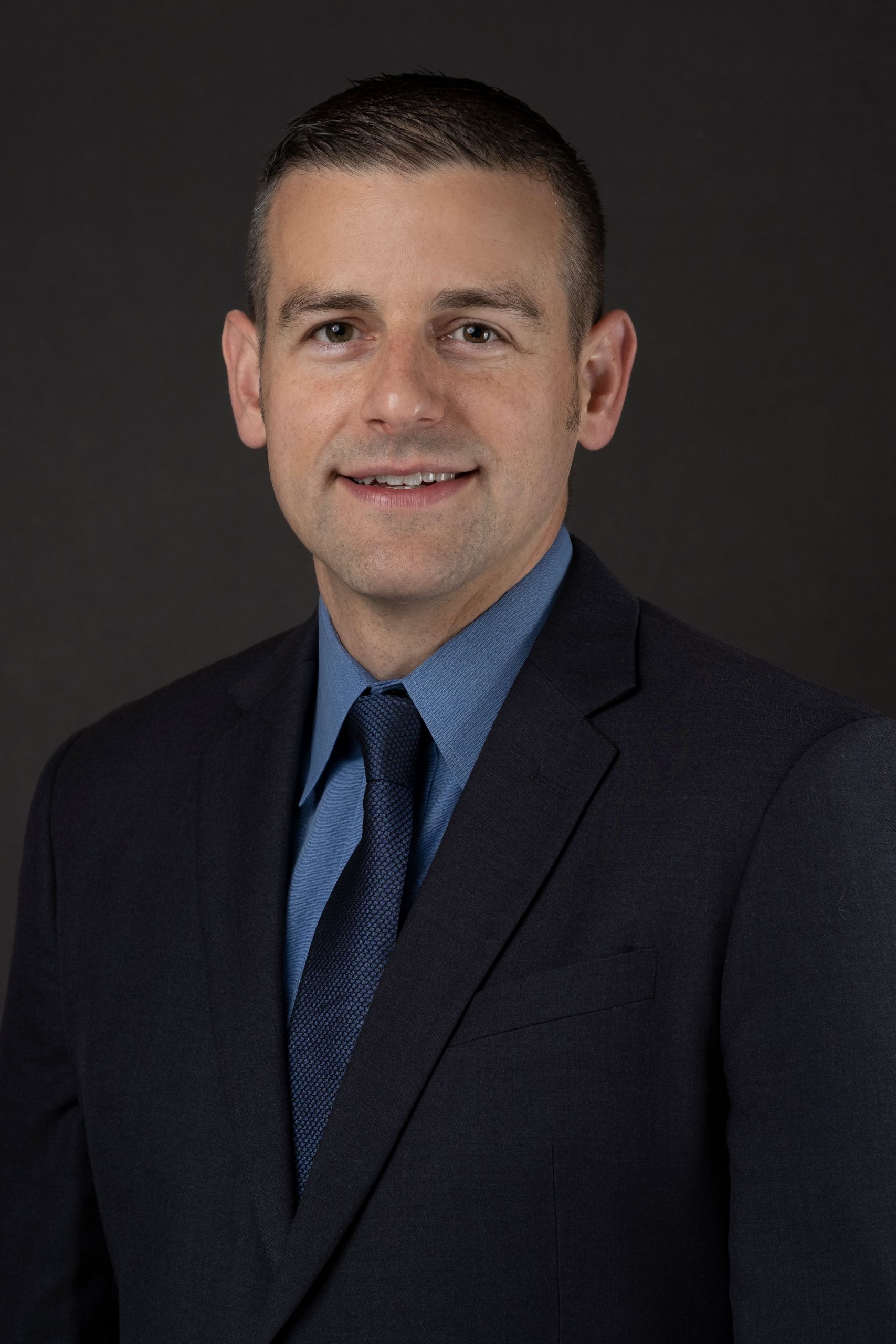
by Dr. Justin Baeder|Director, The Principal Center
Every school has conversations that need to happen and aren't happening. The teacher whose classroom management has deteriorated. The colleague who's unprofessional in meetings. The veteran who stopped growing five years ago. The parent who crosses lines. The staff member whose behavior contradicts the culture you're trying to build.
Leaders avoid these conversations for understandable reasons. Most have never been trained in how to confront mediocre performance or deliver unwelcome news. The preparation programs that taught you about curriculum and data rarely included a module on telling a twenty-year veteran that their teaching isn't meeting standards. So the conversation gets postponed. And postponed again. And the problem gets worse.
Here's the deeper dynamic: getting into classrooms regularly means seeing problems you then have to address. Staying in your office lets you maintain plausible deniability. The decision to avoid classrooms and the decision to avoid hard conversations are often the same decision. That's not a conscious strategy for most leaders, but it's real — and recognizing it is the first step toward changing it.
The good news is that having hard conversations is a learnable skill. It starts with preparation — scripting your opening sentences, grounding the conversation in evidence, and anticipating the most likely reactions. It continues with practice — the more you do it, the less dread you feel. And it lands with respect — targeting the practice, not the person, and communicating that you take their work seriously enough to engage with it honestly.
The relationship is actually more likely to be damaged by avoidance than by directness. Teachers know when their practice isn't where it should be. When you don't say anything, they either assume you don't notice — which undermines your credibility — or assume you don't care — which undermines trust. A respectful, prepared, evidence-based conversation communicates something important: that you see their work and that it matters.
Hard conversations also aren't the principal's job alone. Building a culture of peer accountability — where the person with the least authority who can address a problem effectively is the one who raises it — reduces the principal's burden and creates a more professionally mature organization. When peers hold peers accountable, problems get addressed earlier, at lower stakes, and without the weight of positional authority that makes everything feel like a formal action.
Frequently Asked Questions
Why do school leaders avoid hard conversations?
It's not a character flaw — it's a skill gap. Most leaders have never been trained in how to confront mediocre performance, address unprofessional behavior, or deliver unwelcome news. So they avoid it, hoping the problem resolves itself. It almost never does.
There's also a deeper reason: getting into classrooms regularly means seeing problems you then have to address. Staying in your office lets you maintain plausible deniability. That's not a conscious strategy for most leaders, but it's a real dynamic. The decision to avoid classrooms and the decision to avoid hard conversations are often the same decision.
The good news is that having hard conversations is a learnable skill. With preparation, practice, and a clear framework, leaders can develop the ability to address difficult issues directly without damaging relationships.
How should I prepare for a difficult conversation with a teacher?
Script your opening. Not the whole conversation — you can't control where it goes — but the first two or three sentences. Those opening moments set the tone for everything that follows, and they're the part most likely to go sideways if you're improvising under stress.
Your script should name the issue specifically, ground it in evidence, and communicate the standard that isn't being met. "I've noticed that during the last three visits, students were off-task for significant portions of the period. Our expectation is that instructional time is protected, and I want to talk about what's getting in the way." That's direct without being hostile.
Beyond the opening, think through the most likely responses — defensiveness, deflection, tears, anger — and decide in advance how you'll respond to each. You don't control the other person's reaction, but preparation is what separates conversations that go sideways from conversations that drive results.
Who should be the one to raise a problem — the principal or a peer?
The person with the least authority who can address it effectively. That's the principle, and it changes how you think about accountability in your building.
If a team member is consistently late to meetings, the team leader should address it before the principal does. If a colleague's classroom management is disrupting the hallway, the neighboring teacher has standing to raise it before it becomes an office referral. When peers hold peers accountable, problems get addressed earlier, at lower stakes, and without the weight of positional authority that makes everything feel like a formal action.
That doesn't mean the principal never steps in. It means the principal isn't the default first responder for every interpersonal issue. Building a culture of peer accountability reduces the principal's burden and creates a more professionally mature organization.
How do I address mediocre teaching without damaging the relationship?
By targeting the practice, not the person. There's a critical distinction between "your teaching is inadequate" and "the evidence from my visits suggests that students aren't getting enough opportunities to practice independently, and I'd like to work with you on that." The first is a character judgment. The second is a specific, evidence-based observation with an offer of support.
The relationship is actually more likely to be damaged by avoidance than by directness. Teachers know when their practice isn't where it should be. When you don't say anything, they either assume you don't notice (which undermines your credibility) or assume you don't care (which undermines trust). A respectful, prepared, evidence-based conversation communicates that you take their work seriously enough to engage with it honestly.
Featured Episodes — Principal Center Radio
| # | Guest | Episode |
|---|---|---|
| 501 | Todd Whitaker | Dealing with Difficult Parents |
| 418 | Jen Schwanke | The Principal's Guide to Conflict Management |
| 367 | Robert Feirsen & Seth Weitzman | From Conflict to Collaboration |
| 349 | Joy Kelly | Handle with Care |
| 296 | Michael Bungay Stanier | The Advice Trap |
| 374 | JP Frame | School-Wide Progressive Discipline Model |
Related Articles
Related Books
- Now We're Talking! 21 Days to High-Performance Instructional Leadership — Days 14-15 cover how to navigate tough conversations that arise from classroom visits, including resistant teachers and difficult feedback situations.
- Cultivate and Activate — Chapter 4 addresses the culture change conversations necessary for building peer accountability and shifting norms around leadership.
Go Deeper
Members of the Instructional Leadership Association get live weekly sessions, community support, and implementation tools for putting these ideas into practice. Learn more about ILA →